Den Gamle By (Aarhus Old Town): The Ultimate Guide

Aarhus Old Town is basically a reconstruction of Danish buildings and interiors from 1550-1800.
Denmark is full of traditional houses. But visiting The Old Town is like stepping back in time!
It shows what it was like to live and work in a Danish market town and it’s occupied by period actors which makes it even more authentic.
In this post, I’ll share everything you need to know about visiting Aarhus Old Town.
Let’s dive in!
About Aarhus Old Town (Den Gamle By)
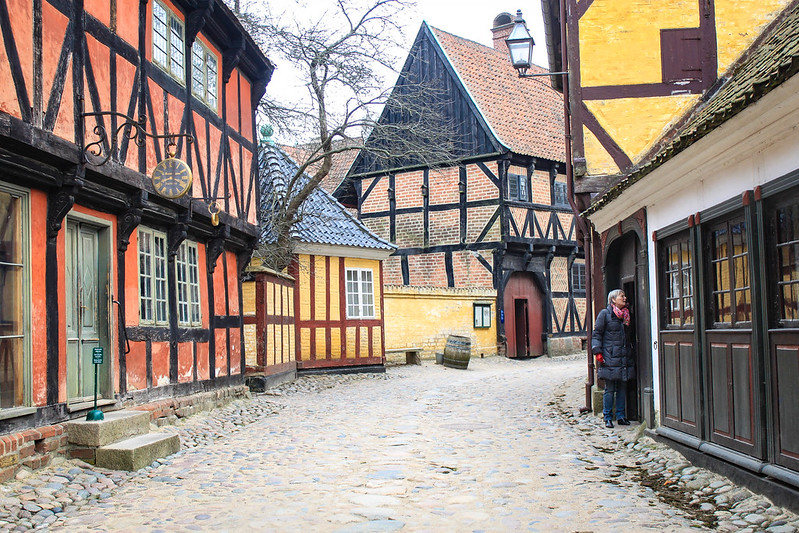
In Den Gamle By in Aarhus, you’ll find 75 historical buildings from the last 500 years of Danish history.
You can visit the old buildings, meet characters from history, and learn about Danish culture.
It offers hands-on activities, historical displays, and events year-round. It’s a direct way to see and understand Denmark’s history.
Visiting times
Den Gamle By in Aarhus is open daily all week. You can also visit during certain holidays, like Christmas.
Opening hours: Monday – Sunday: 10:00 am – 4:00 pm (Times may vary on holidays)
Ticket costs
- Adults: DKK 135
- Children (0-17): Free
- Students: DKK 120
Where to eat
There are several places to eat in Denmark old town.
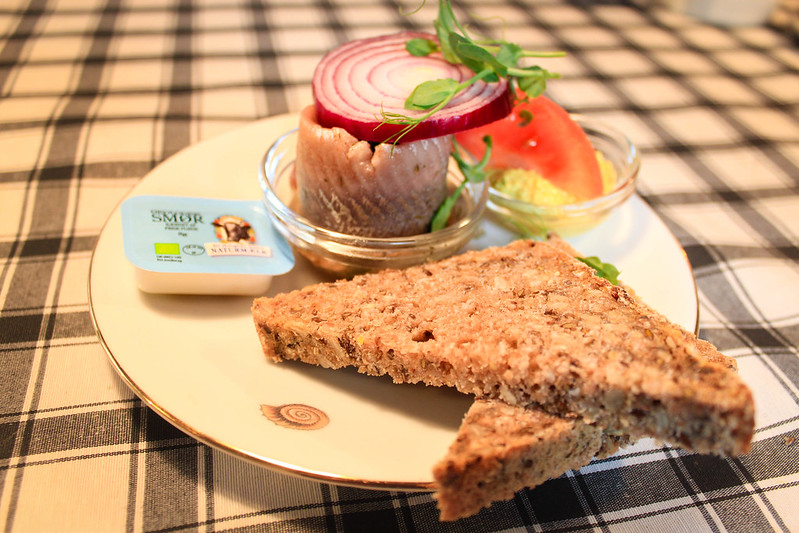
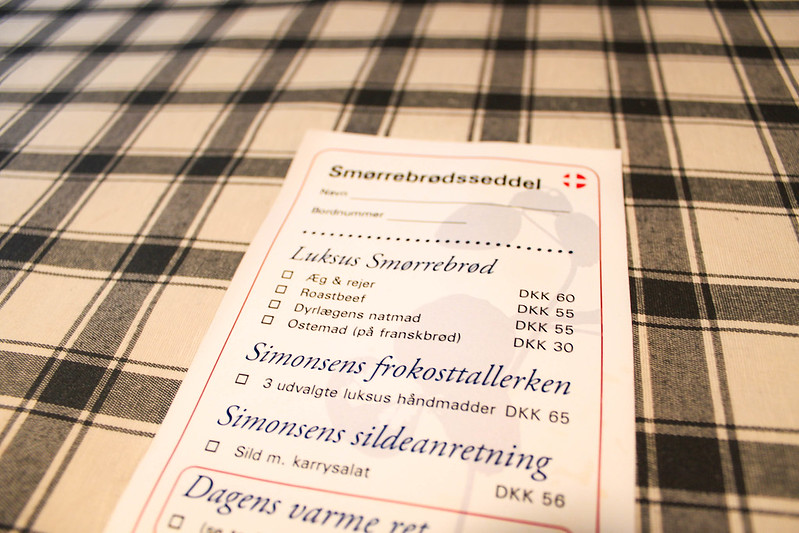
You can try traditional Danish smørrebrød and local brews. Here are the places to choose from:
- The Tea Room: Cozy atmosphere, homemade cakes, and hot beverages
- The Brewery: Traditional Danish lunch, local brews
- The 1920s Townhouse: Classic Danish sandwiches, the ambiance of the past
Things to do at the Den Gamle By Museum
What makes Aarhus Old Town unique from other old towns around Europe is that it recreates specific periods, like the 1970s and 1600s.
This means you can explore streets, shops, and homes exactly as they were back then.
You can walk through these areas, see the styles and items from that era, and interact with actors who portray life as it was.
Here’s what to see:
2000 – 2014
At Den Gamle By, the newest part shows off Queen Margrethe’s Street.
It’s set up like a Danish city area from 2014, with shops and places where locals might hang out.
You get to see how different people lived, what their homes looked like, and hear their stories.
From 1950 – 1970s in Denmark
Jump back to the 1950s and 1970s next.
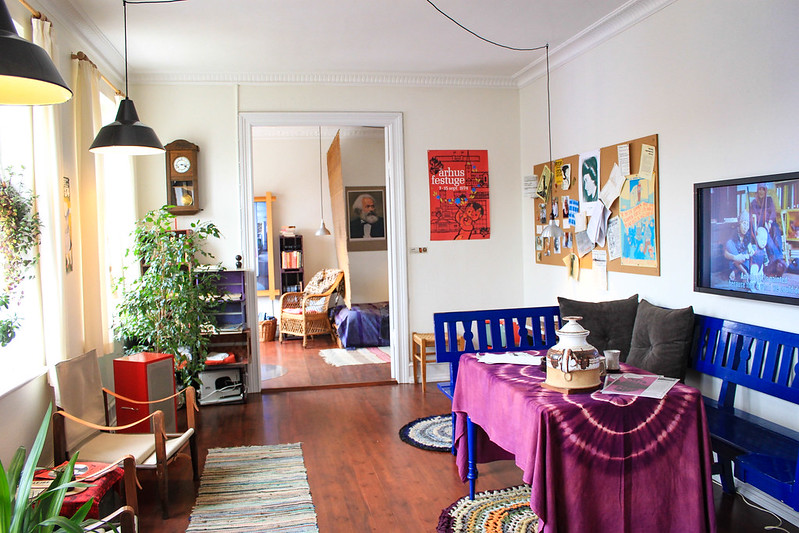
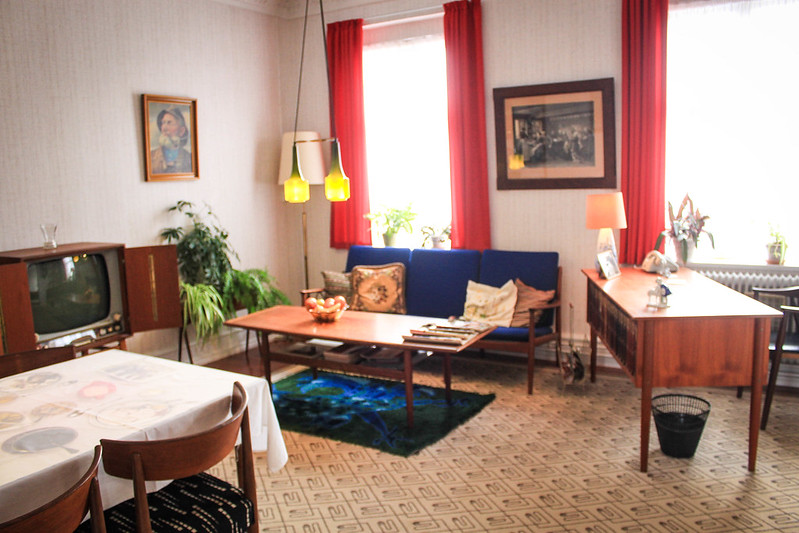
This section of the museum captures the essence of Denmark in the 50s and ’70s, from the design of the streets and shops to the homes people lived in.
It’s a full-on flashback to the styles, tech, and vibes of that time.
Cars in the 1920s
Then, there’s the 1920s section, which is all about cars and transportation.
It takes you to 1927, showing off the big tech leaps in vehicles, a glimpse into an old car dealership, and other cool stuff from back then.
It’s a fun way to see how far we’ve come.
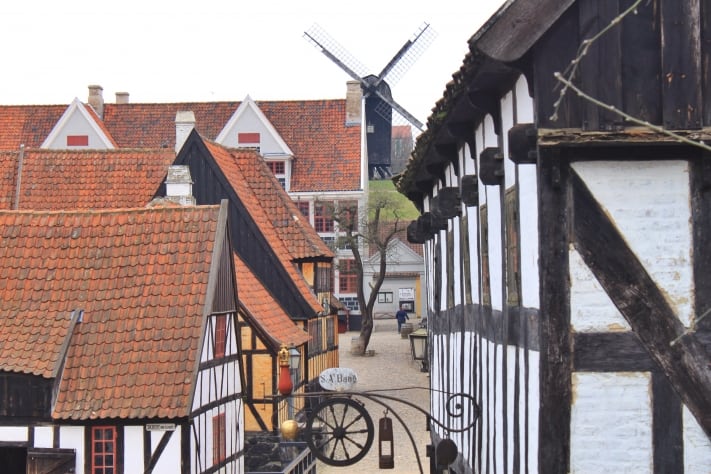
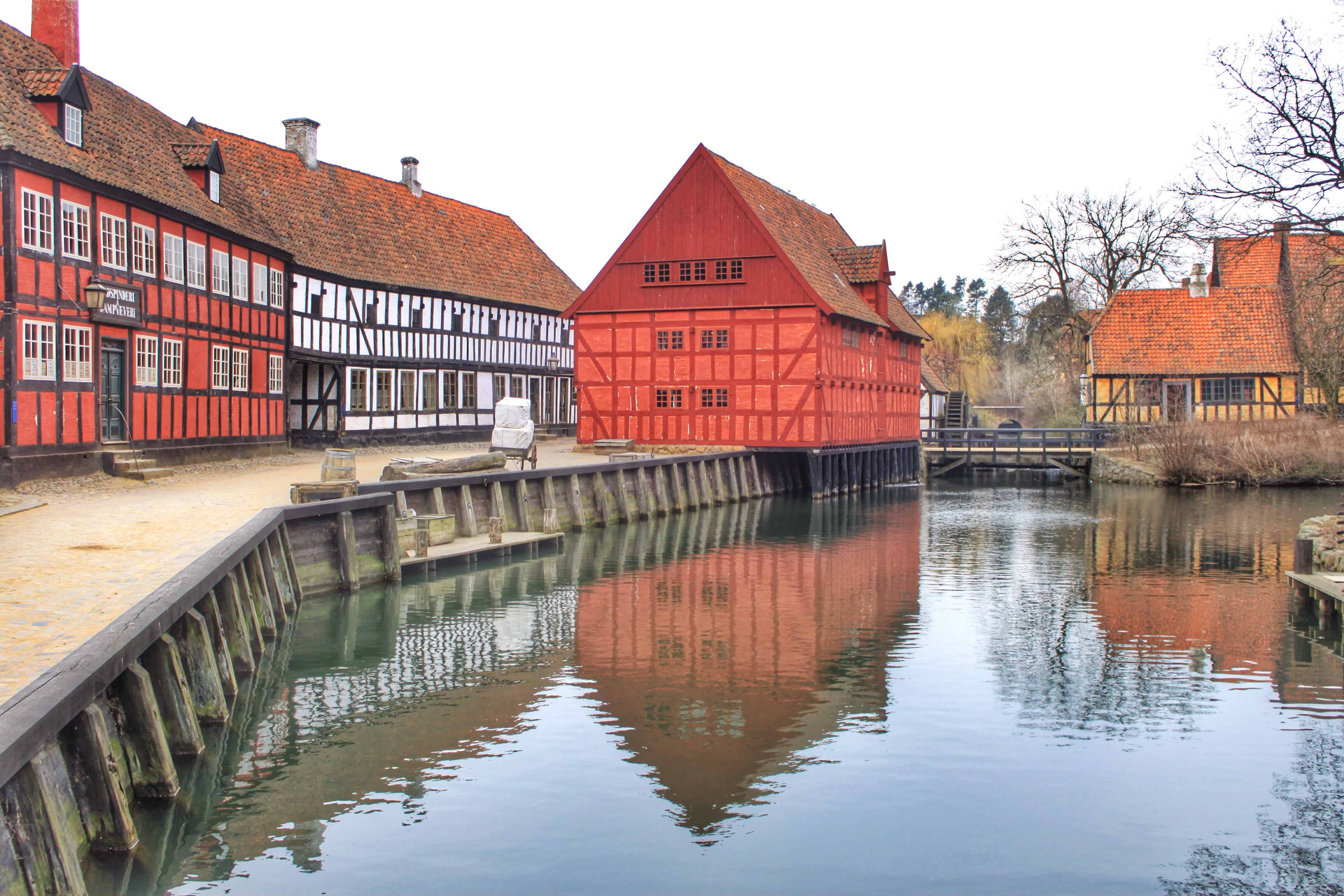
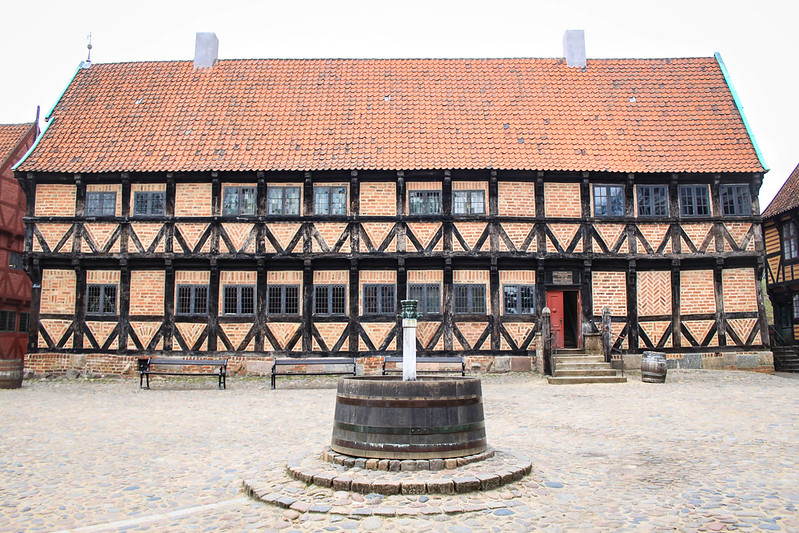
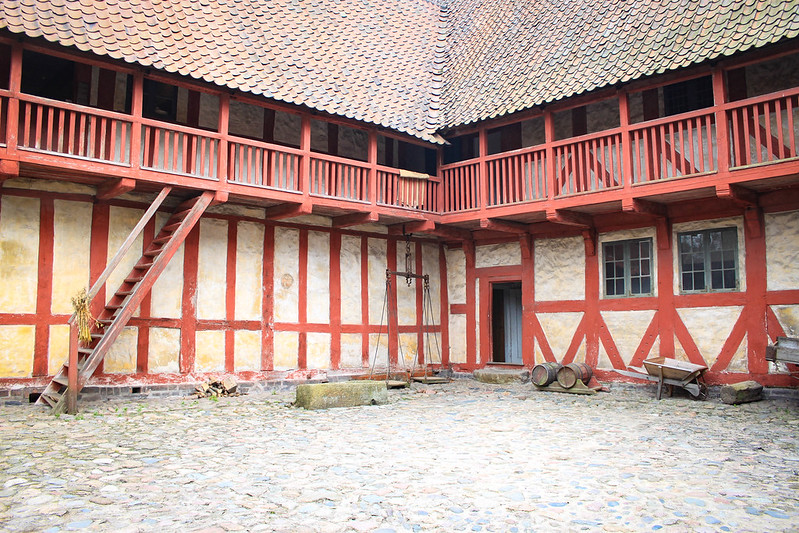
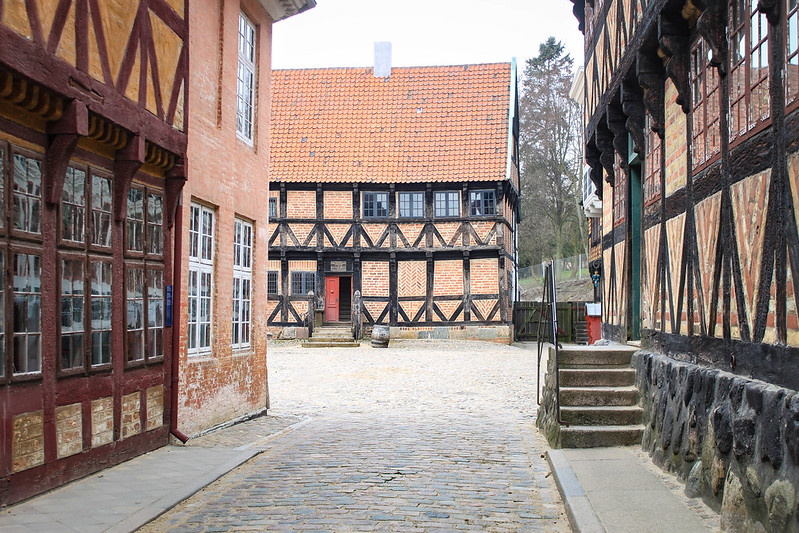
Denmark in the 1600-1900s
Dive into Denmark before the 1900s at this part of the museum.
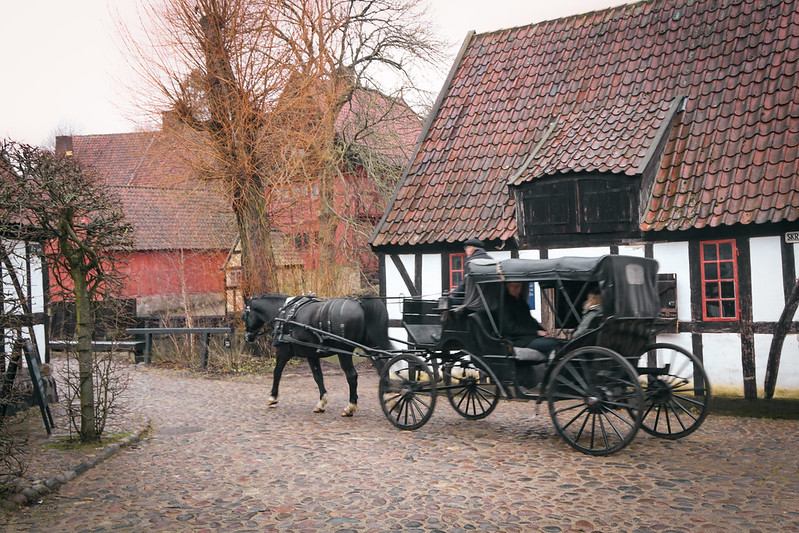
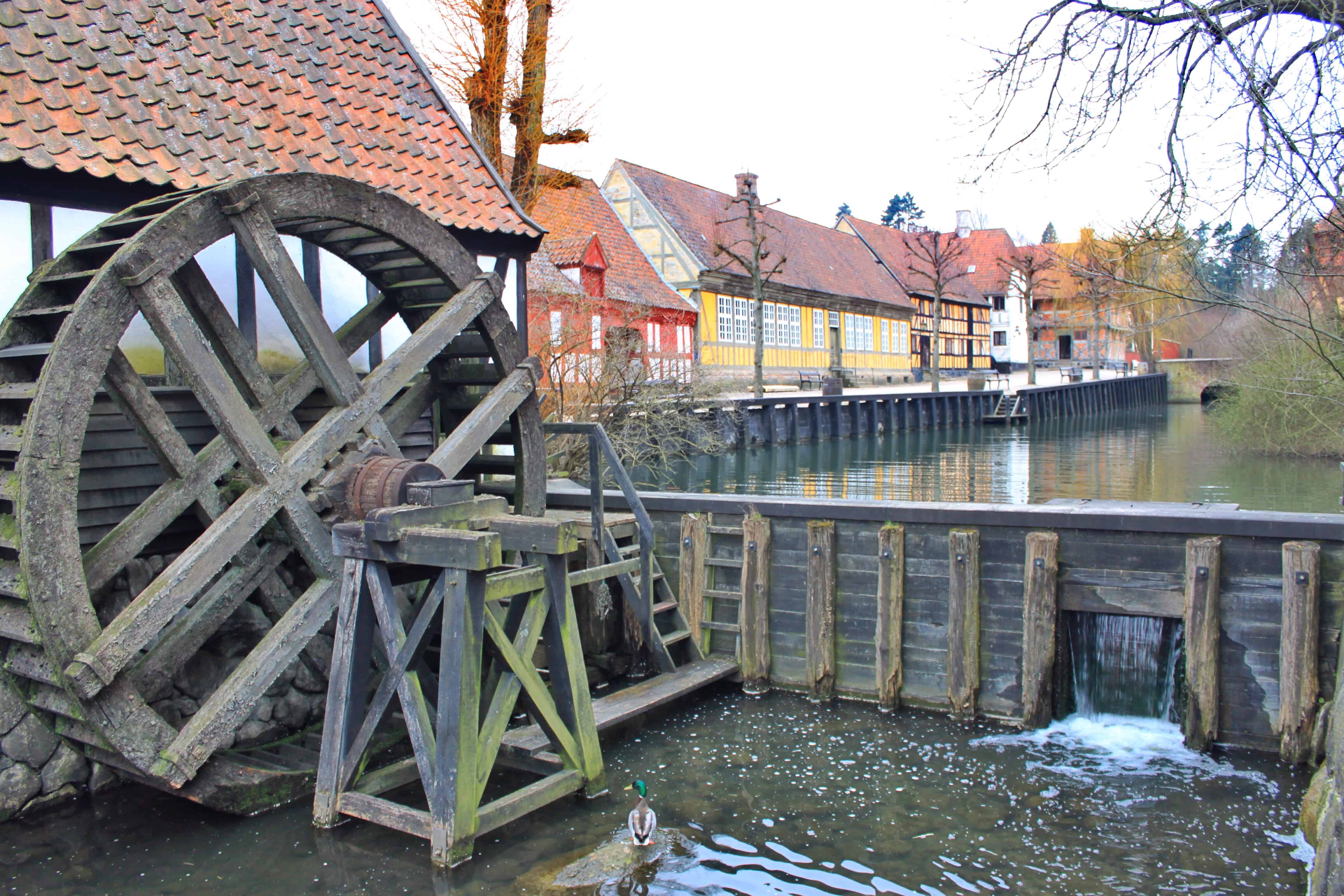
You’ll walk streets lined with old, half-timbered houses, all authentically rebuilt to show what Danish towns used to be like.
It’s like stepping back into history.
An open-air museum with actors
Starting in April, the museum comes alive.
Actors take on the roles of historical figures, showing off traditional crafts and daily life back in the day.
It’s interactive, so you might even get to join in and try your hand at some historical tasks.
Exhibits you should visit
Den Gamle By is always mixing things up with different exhibits all year round.
Depending on when you visit, you could catch concerts, kids’ activities, or special exhibitions.
There’s always something new to check out.
Must-visit historical shops
Don’t miss the historic shops.
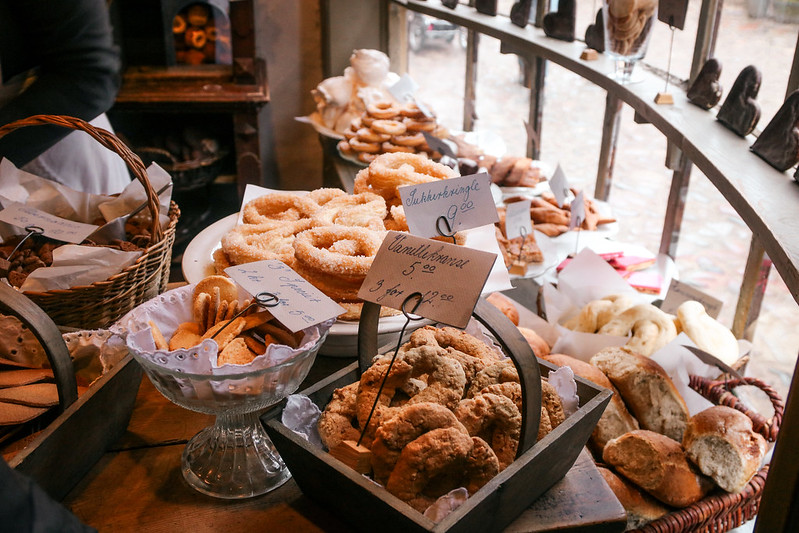
There’s everything from an old-school bakery to a toy museum, each offering a peek into Denmark’s commercial history.
It’s a cool way to see how people shopped at various times.
Christmas at the Aarhus Old Town Museum
At Christmas, the old town Aarhus turns into a cozy Christmas market, which adds a whole new level of charm.
They open up especially for the Christmas season on Fridays and Saturdays from 6:00 PM to 9:00 PM in early December. It’s your chance to see the museum in a festive light.
What’s really cool is their Christmas tours. They dive into how Danish Christmas traditions came about, backed by some really interesting local stories.
You’ll get to walk through old-time streets and meet historical figures like the baker’s wife or the kitchen maid, making history feel a bit more alive.
Read next: 14 magical things to do in Aarhus in winter

The Christmas Market in Aarhus Old Town
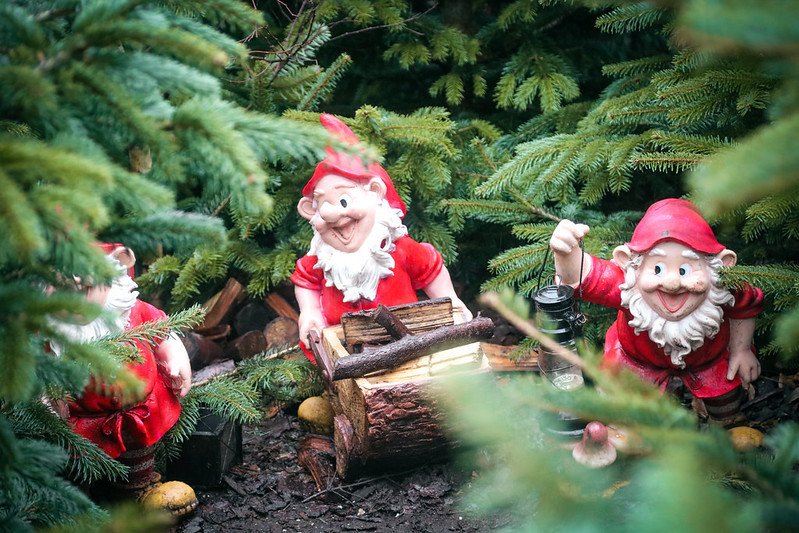
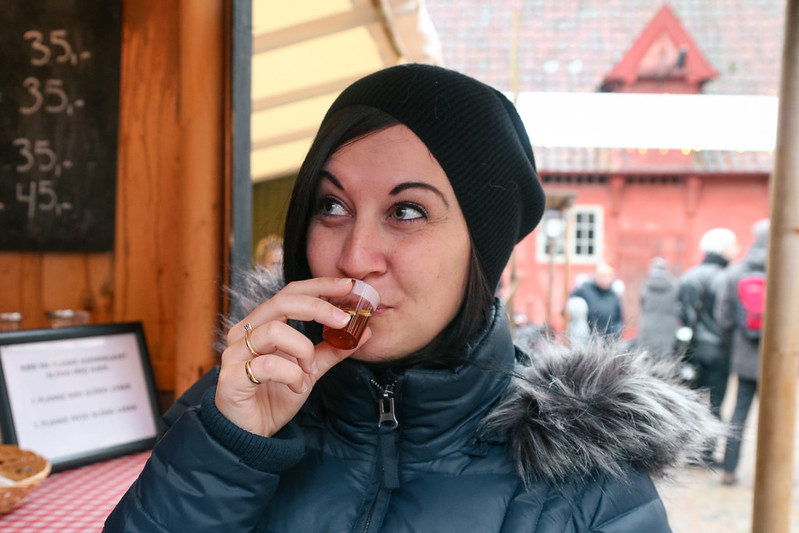
And don’t even get me started on the Christmas market. It’s filled with traditional Danish holiday treats, drinks, and crafts.
Definitely one of the best Christmas markets in Denmark.
FAQ – Den gamle by Aarhus
How do I get to Den Gamle By?
To get to Den Gamle By in Aarhus, take a bus from the city center or walk. It’s an easy and scenic route. Check local transport apps for the best bus routes.
Why is Aarhus famous?
Aarhus is famous for its mix of historical charm and modern living. It’s known for its cultural attractions like Den Gamle By, ARoS Art Museum, and the vibrant waterfront.
What language do they speak in Aarhus?
In Aarhus, the primary language is Danish, but English is widely spoken, especially in tourist areas, making it easy for visitors to communicate.
Why is Aarhus called the city of Smiles?
Aarhus is called the City of Smiles due to its friendly atmosphere and the welcoming nature of its residents. This nickname reflects the city’s positive vibe and high quality of life.
Before you go – don’t miss this:
- Wild camping: The ultimate guide to wild camping in Denmark
- Camping meals: 45 camping food ideas (no refrigeration)
- Camping: Camping in Denmark for beginners
- Road trip: Denmark Road Trip: 7 amazing self-drive itineraries
- Nature: 12 mind-blowing places for nature in Denmark
- Beaches: 12 best beaches in Denmark
- UNESCO sites: Experience the 7 UNESCO sites in Denmark
- Car rental: How to rent a car in Denmark
- Danish food: 20 amazing dishes you must try in Denmark
- Christmas food: 10 Amazing Danish Christmas Foods You Have to Try