21 weird laws in Singapore that could get you in trouble

This is the original first blog post about weird laws in Singapore. Read my updated guide on Singapore’s most bizarre laws that you probably had no idea existed.

Singapore is known for its low crime rate and impeccable cleanliness. It is also sometimes called the fine city, which has a double meaning.
The label refers to the fine state that Singapore is in, but it also refers to the many fines that the country hands out.
Let’s take a look at some of the funny and weird laws in Singapore.
This post contains referral links for products I love. Adventurous Miriam earns a small commission at no extra cost to you if you purchase through my links. I appreciate your support ♡ Learn more
Laws in Singapore
If you’re thinking of heading to Singapore, you should be aware that the country has strict regulations, some of which may seem harsh.
For example, the rattan cane is legally used as punishment, not only for criminals, but also as a disciplinary measure in schools, the military and in the domestic scene.
Laws in Singapore are strictly enforced, and failing to abide by these customs could get you in serious trouble.
Now, don’t let this discourage you from visiting Singapore. This country is incredibly safe to travel in and it has a lot of great activities, free sights and a mix of cultures.
If you’re a respectful traveler you’re not going to get in trouble.
Read next: Where to stay in Singapore
21 weird laws in Singapore
1. Singing in public
Penalty: <3 months in prison
According to Singapore Statutes Online, singing, reciting or uttering any ballad or obscene song in public is illegal.
If you’re caught breaking this Singapore law, you’ll be punished with 3 months’ imprisonment, a fine or both.

2. Connecting to another person’s WIFI
Penalty: <3 years in prison or $10,000 fine
According to Singapore’s Computer Misuse and Cypersecurity Act, using another person’s WiFi is defined as hacking.
The penalty for this is a hefty $10,000 fine, 3 years in jail, or both.
3. Playing annoying music in public
In Singapore, blasting annoying music in public can also land you in hot water.
According to the Environmental Public Health Act, you can face a fine of up to $1,000.
4. Feeding pigeons
Penalty: $500
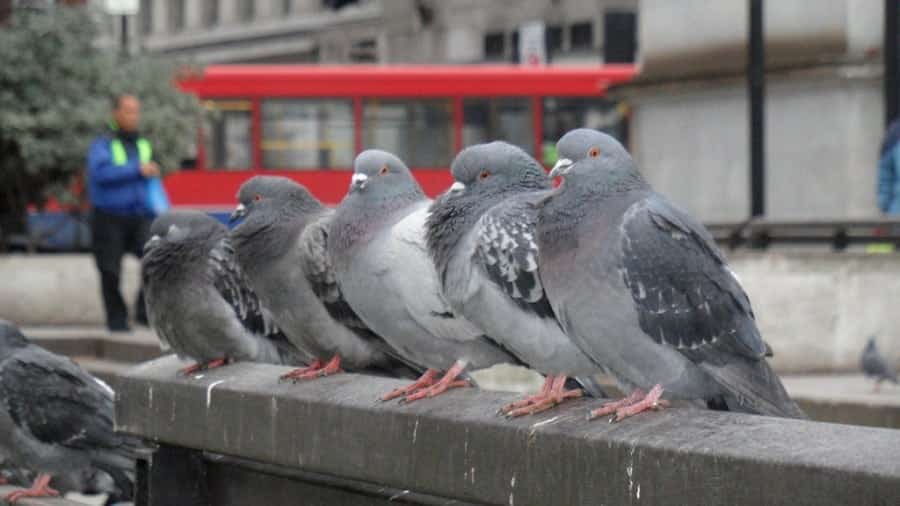
Feeding pigeons might not sound like a criminal offense, but in Singapore it is. If you’re caught tossing your leftovers to the birds, it will cost you $500.
5. Homosexuality
Penalty: <2 years in prison
Same sex relations are forbidden in Singapore although this law is not nearly as strictly enforced as some of the other laws.
It used to be under the umbrella of sex against the order of nature.

6. Jaywalking
You better watch where you’re crossing the street! Jaywalking is a big no-no, and the government ain’t playing around.
If you get caught, you could be slapped with a fine. So, use the crosswalks!
7. Interfering with public traffic by flying a kite or playing a game
It’s a no-go to mess with public traffic by flying a kite or playing a game. The law is from the Miscellaneous Offences (Public Order and Nuisance) Act.
Offenders could face a fine of up to $1,000.
8. Flush! Or face the consequences!
Penalty: $150
Failure to flush a public toilet after use may result in rather hefty fines according to laws in Singapore.
And don’t even think of urinating in elevators. They are equipped with Urine Detection Devices (UDD) that detect the scent of urine, set off an alarm, and close the doors until the police arrive.

9. No hugging without permission
Did you know that hugging without permission is against the law in Singapore? Well, it is.
As per the Miscellaneous Offences (Public Order and Nuisance) Act, the penalty for violating the law can go up to $1,000.
So next time you feel the urge to hug someone, make sure you have their consent first.
10. Smoking in public
Penalty: $152 – 760
In Singapore, there’s a law against smoking in public places and in vehicles. This law was put in place to ensure a clean and healthy environment for the public and protect people from secondhand smoking.
Although it’s not illegal to buy cigarettes or smoke in your own home, it is illegal to smoke in public and it’s considered an offense to enter the country with cigarettes.

11. Using E-cigarettes
Using e-cigarettes is also illegal.
The ban includes buying, importing, and possessing e-cigarettes. You can face a fine of up to $2,000 for the first offense, and up to $10,000 for subsequent offenses.
The law aims to protect public health.
12. Suicide is illegal
In Singapore, it’s illegal to commit suicide.
The penalty for attempting to take your own life is a fine or even jail time, according to the Singapore Penal Code, Section 309.
❤️🩹 If you’re struggling and having thoughts of taking your own life, please make sure to reach out for help.
13. Walking around your house naked
Penalty: $1,000
While smoking at home is fine, walking around naked is not. If you break this law in Singapore, you may face pornography charges which can lead to imprisonment or big fines.
So, close the curtains next time you’re getting ready for a shower.
14. Graffiti
Graffiti is a big no-no.
The government takes it seriously, and if you get caught tagging public property, you could be fined up to $2,000 or even face three years behind bars.
The law aims to keep the city clean and orderly.
15. Littering
Penalty: From $300 – public service
First-time offenders who throw small items like cigarette butts or candy wrappers are fined $300.
If you’re convicted of littering three times, you will have to clean the streets once a week with a bib on saying, “I am a litterer.”
It’s admittedly aimed at publicly shaming the offenders to ensure that they won’t litter again.

16. No drinking alcohol in public from 10:30 pm to 7:00 am
In Singapore, it’s illegal to drink alcohol in public between 10:30 pm and 7:00 am.
Violating this law can result in fines or other penalties.
17. No durian on public transport
You know durian, right? The awfully smelly fruit that’s actually banned from being brought into airports and hotels in Thailand, Hong Kong, and Japan.
In Singapore, you can’t bring it on public transport either. You won’t get fined, but there’s a clear sign at the entrance.

18. No eating on public transport
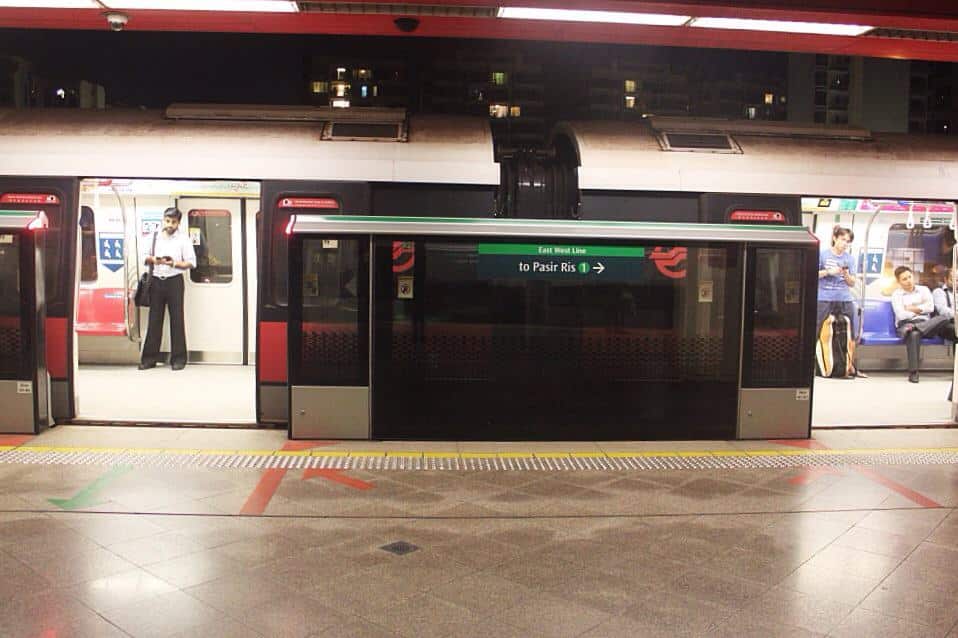
Also not allowed on public transport is eating. This rule comes from the Rapid Transit Systems Act.
If you’re caught snacking on the MRT or buses, you could be fined up to S$500. So, keep those snacks in your bag until you reach your stop!
19. Entering Singapore after taking drugs
In Singapore, it’s a serious offense to enter the country after taking drugs.
This law is no joke and comes with harsh penalties, including imprisonment and caning, according to the Misuse of Drugs Act (Chapter 185). You don’t want to mess around with this rule.
20. Selling gum in Singapore
Penalty: $100,000 – 2 years in jail
Chewing gum is okay, but selling is forbidden.
According to Singapore Statutes Online, the punishment for smuggling gum into the country is up to 2 years in jail or a $100,000 fine.

Crazy Singapore laws
21. Spitting in public
Penalty: <$1,000
Singapore is not a place for spitters.
Reasonably, it’s illegal to spit in coffee shops and markets, but it’s also illegal on public roads, sideways, and any other place that’s open to the public.
If you break this law in Singapore, you’ll be slapped with a fine of up to $1,000.
FAQ – Weird laws in Singapore
What weird laws does Singapore have?
Here are some strange laws in Singapore. You can find many more in my article above:
- It is illegal to smoke in public.
- Chewing gum was banned in 1992 due to litter issues, but the ban was partially lifted in 2004.
- Concealing or disguising a weapon as another object of common use is illegal.
What are Singapore’s strict rules?
In Singapore, strict laws are a cornerstone of the country’s order and safety. Here’s a breakdown:
- Public Cleanliness: Littering, spitting, or urinating in public attract hefty fines. Repeat littering offenders might even do public cleaning while wearing identifying vests.
- Chewing Gum: Selling and importing most chewing gums is banned, except for therapeutic types. This law is pretty unique to Singapore.
- Drug Offenses: Singapore takes a hard stance here. Trafficking can lead to the death penalty, and possession incurs severe penalties.
- Public Behavior Rules: Things like jaywalking, eating on public transport, or smoking in non-designated areas can result in fines.
- Vandalism and Graffiti: These acts can get you fined, imprisoned, or even caned.
- Alcohol Rules: There’s no public drinking allowed from 10:30 PM to 7 AM, and drunk driving is dealt with strictly.
- Noise Control: Making excessive noise, especially at night, might land you a fine.
- Environmental Laws: Singapore is serious about sustainability. There are strong regulations on water, energy, and waste.
What is the penalty for chewing gum in Singapore?
There used to be a chewing gum ban, but now it’s legal to chew gum. However, selling or making a mess with it? Big no-no.
The fines for selling gum in Singapore depend on the quantity and context.
- Selling and Importing Gum: Totally banned, except for therapeutic gum like nicotine gum or dental, which you can get from pharmacies.
- Penalties: If you’re caught importing or selling, you’re looking at serious fines. The cost can be pretty steep, depending on how much gum you have.
- Chewing and Littering: Just chewing gum isn’t a problem, but don’t bring loads into the country. And remember, if you litter with gum, like sticking it on public seats or tables, you’ll face a fine for littering.
What are the sources of law in Singapore?
Here are the primary juridical sources for laws in Singapore:
- Singapore Statutes Online: This is the official digital platform where you can access the full text of Singapore’s Acts and subsidiary legislation. Singapore Statutes Online.
- Subsidiary Legislation: These are detailed regulations, rules, and orders that are issued under the authority of primary legislation (Acts of Parliament). These can also be found on the Singapore Statutes Online portal.
- Case Law: Judicial decisions made by Singapore courts are an essential part of legal precedents. The Singapore Law Watch offers a free legal news service that provides access to judgments and legal commentary.
- Government Gazettes: These are official publications for announcing new laws and amendments, among other notices. You can find them at the eGazette, which is the official online platform for the Singapore Government Gazettes.
- Law Books and Legal Commentaries: While not available online for free, legal texts and commentaries written by experts can be found in law libraries or purchased from legal bookstores. A popular source for legal texts is the Singapore Academy of Law.
More posts from Singapore you might like
Save it!